


-

Add: HeBei ShengShi HongBang Cellulose Technology CO.,LTD.
-

Email
13180486930@163.com -

CONTACT US
+86 13180486930



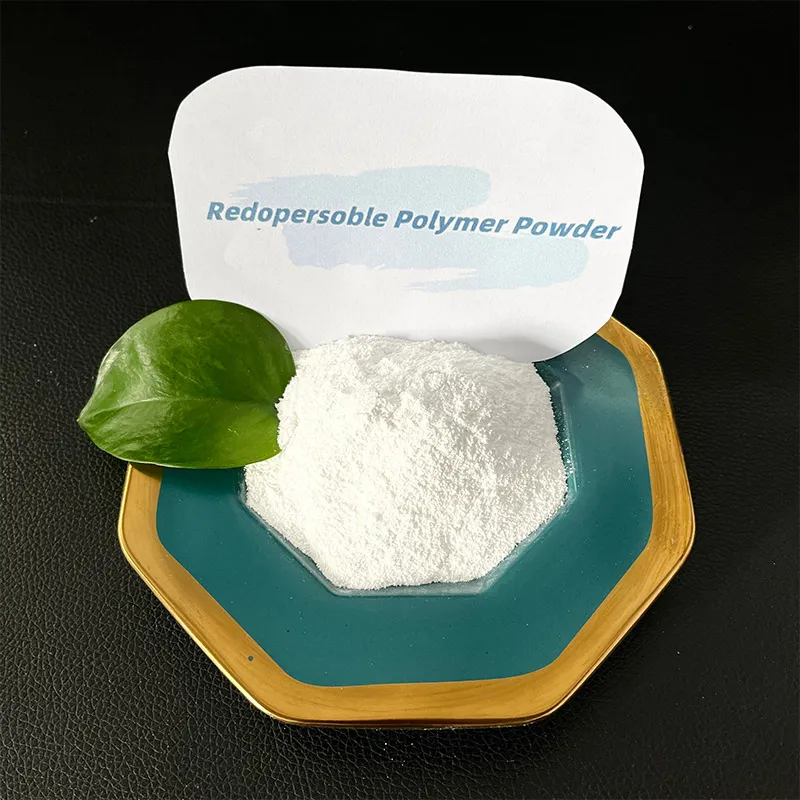
Rubber powder is a versatile and high-performance material widely used across various industries. Known for its excellent properties, rubber powder is derived from the recycling of waste rubber products and can be used to enhance the properties of a variety of products, including construction materials, automotive parts, and industrial goods. Whether you are looking to improve the strength, flexibility, or durability of your products, rubber powder is the solution you need. Explore the various benefits and applications of this innovative material, and make your products stronger and more sustainable. Rubber Powder for Sale: High-Quality Options for Every Need Looking for rubber powder for sale ? We offer a wide selection of high-quality rubber powder products to meet the demands of various industries. Our rubber powder for sale comes in different grades and specifications, so you can find the perfect match for your needs. Whether you need rubber powder for construction, automotive, or any other application, our products are designed to deliver exceptional performance, durability, and cost-efficiency. Browse our range of rubber powder for sale today and get the best value for your projects. Natural Rubber Powder: Sustainable and High-Performance Natural rubber powder is made from renewable resources and is an eco-friendly alternative to synthetic materials. It offers a range of performance benefits, including enhanced flexibility, shock absorption, and resistance to wear and tear. Natural rubber powder is widely used in the manufacturing of rubber compounds, playground surfaces, sports tracks, and more. By incorporating natural rubber powder into your products, you can create sustainable solutions that do not compromise on performance. Choose natural rubber powder for superior quality and environmental responsibility in your applications. Nitrile Rubber Powder: The Ultimate Solution for Industrial Applications When it comes to industrial applications, nitrile rubber powder is the go-to choice for many manufacturers. Known for its excellent resistance to oils, solvents, and chemicals, nitrile rubber powder is used in a variety of industrial products, including seals, gaskets, and protective coatings. By adding nitrile rubber powder to your materials, you can significantly enhance their durability and performance, especially in environments exposed to harsh chemicals and extreme conditions. Whether you are looking to improve the longevity or the functionality of your industrial products, nitrile rubber powder is the ideal solution. Why Choose Our Rubber Powder for Your Projects? Our range of high-quality rubber powder products, including natural rubber powder and nitrile rubber powder , is designed to meet the highest industry standards. With years of expertise in the field, we ensure that every batch of rubber powder is carefully processed and tested for quality. Our products are available at competitive prices, so you get the best value for your money without compromising on quality. Whether you are in construction, automotive, or any other industry, we provide the right rubber powder to improve the performance, durability, and sustainability of your products. Trust us to supply you with top-quality rubber powder for all your business needs. Rubber Powder FAQs What is rubber powder used for? Rubber powder is widely used in various industries to improve the properties of products, including construction materials, automotive parts, and industrial goods. It enhances the flexibility, durability, and strength of materials, making it ideal for use in coatings, adhesives, and flooring. Additionally, rubber powder is commonly used in manufacturing rubber compounds, playground surfaces, and sports tracks due to its excellent shock absorption and wear resistance properties. Where can I buy rubber powder for sale? We offer a wide range of rubber powder for sale , including natural rubber powder and nitrile rubber powder , designed to meet the specific needs of your project. Browse our online catalog to discover the best options for your requirements, and reach out to us for further inquiries. What is natural rubber powder? Natural rubber powder is made from natural latex rubber, which is derived from the rubber tree. It is a sustainable, eco-friendly material used to enhance the properties of various products. Natural rubber powder is known for its excellent flexibility, impact resistance, and shock-absorbing qualities, making it an ideal choice for applications in construction, flooring, and rubber compounds. What is nitrile rubber powder and how is it used? Nitrile rubber powder is a type of synthetic rubber that offers superior resistance to oils, chemicals, and solvents. It is commonly used in industrial applications, including seals, gaskets, protective coatings, and various automotive components. Nitrile rubber powder is an excellent choice when durability and resistance to harsh conditions are required. Why should I choose your rubber powder for my projects? Our rubber powder products, including natural rubber powder and nitrile rubber powder , are sourced and processed to the highest standards to ensure exceptional performance. We offer competitive pricing and flexible options, making it easy for you to get the right rubber powder for your project. Whether you need rubber powder for sale for construction, automotive, or industrial use, we provide the highest quality materials that guarantee long-lasting results and improved product performance.
- 40000tons

Production
- 20+years

Experience
- 5000+㎡

Acreage

-

Hydroxypropyl Methylcellulose (HPMC) has become an indispensable component in various industries due to its unique properties and versatility. The specific variant, HPMC K15, has carved out a niche in applications that require high-performance cellulosic polymers. This article delves into the sophistication and practical applications of HPMC K15, offering firsthand experience from professionals, expert insights, and authoritative perspectives to enhance trust and understanding of this remarkable polymer. HPMC K15 is renowned for its ability to act as a thickener, binder, film former, and stabilizer. This versatility is showcased in industries such as pharmaceuticals, construction, and food processing. With over two decades in the materials science industry, I have observed the significant transformations that HPMC K15 has brought to product formulations. My experience confirms that its integration into products enhances their performance, particularly in challenging environments. One of the defining attributes of HPMC K15 is its remarkable solubility and stability across a range of temperatures. It retains its properties irrespective of environmental conditions, making it a reliable choice for manufacturers. In the construction industry, HPMC K15 is used extensively as a key ingredient in dry mix mortars, tile adhesives, and plaster. Its role is crucial; it imparts workability to the mix, optimizing the application process and improving overall productivity. The adhesion strength provided by HPMC K15 ensures that tiles and plasters remain intact over time, enduring diverse climate conditions. In pharmaceuticals , HPMC K15 is pivotal in drug formulation, particularly in controlled-release medication. It acts as a hydrophilic matrix, regulating the release of active ingredients and ensuring patient safety and efficacy of the drug. My collaboration with pharmaceutical firms has underscored the reliability of HPMC K15 in maintaining drug stability and consistency, critical factors that are instrumental in achieving regulatory approval. From an authoritative perspective, studies consistently highlight the non-toxic and biocompatible nature of HPMC K15, backed by rigorous testing and peer-reviewed research. These characteristics not only ensure compliance with health and safety standards but also provide a sustainable option for industries aiming to reduce their ecological footprint. Furthermore, being derived from natural cellulose enhances its appeal in a market increasingly leaning towards eco-friendly solutions. hpmc k15 Experts in the field of material science laud HPMC K15 for its unparalleled balance of cost-effectiveness and performance capabilities. Its ability to modify viscosity without altering other vital characteristics of the end product is a significant advantage. This allows manufacturers to tailor their products according to specific needs, further pushing the envelope of innovation and quality. Additionally, its application in the food industry as a thickening and emulsifying agent ensures that consumer expectations for texture and consistency are met, offering a competitive edge to food producers aiming to deliver superior quality goods. Trust in HPMC K15's performance is reinforced through continuous research and development, spearheaded by leading material scientists and technologists. Collaborations between academic institutions and industry leaders have resulted in constant enhancements, ensuring that HPMC K15 meets the ever-evolving requirements of diverse applications. In summation, Hydroxypropyl Methylcellulose K15 is more than just a polymer; it is a cornerstone of innovation and efficiency across various sectors. Its proven track record in enhancing product quality and its sustainable nature make it an invaluable asset. As industries continue to evolve and adapt, HPMC K15 stands out as a reliable ally, ensuring that products not only meet standards of excellence but also contribute to a more sustainable future.
-

When it comes to pharmaceutical excipients that deliver on multiple facets of efficacy and safety, HPMC Dextran 70 stands out as a remarkable agent. Its unique properties make it indispensable in medical formulations, ensuring improved patient outcomes across various applications. The hype around HPMC Dextran 70 isn't unfounded; it is grounded in its unparalleled efficacy, scientific backing, and its progressive adoption in advanced therapeutic developments. What makes HPMC Dextran 70 an unrivaled choice in the pharmaceutical industry is its dual-component nature that fuses the benefits of both hydroxypropyl methylcellulose (HPMC) and Dextran 70. The synergy of these two components not only enhances the stability of drug formulations but also optimizes their delivery. Dextran 70, a glucose polymer, is known for its highly branched structure, which allows for superior plasma volume expansion and improves the suspension of pharmaceutical active ingredients. On the other hand, HPMC offers remarkable film-forming capabilities and controlled-release properties, making it an ideal choice for sustained and predictable drug dispersion. Experience with HPMC Dextran 70 among healthcare professionals highlights its efficacy across various formulations. It's hailed for its ability to form hydrogels that are pivotal in ocular applications, ensuring superior hydration levels and tear film stability. In this domain, the user experience has been overwhelmingly positive, with patients reporting prolonged relief and fewer side effects compared to other ophthalmic solutions. Such real-world applications underscore the excipient’s role in enhancing patient adherence and satisfaction . From an expertise standpoint, the composition of HPMC Dextran 70 has been a subject of extensive research and development. Chemists and formulators value its compatibility with other pharmacological agents, which allows it to be employed in diverse therapeutic areas ranging from ophthalmology to parenteral nutrition. The dextran component is particularly noteworthy for its rheological properties that facilitate the formulation of intravenous therapies with excellent shelf stability. This compatibility is key for pharmaceutical companies seeking to extend product lines while maintaining a high safety profile. hpmc dextran 70 In discussing the authoritativeness of HPMC Dextran 70, peer-reviewed studies and clinical trials abound. Empirical evidence points to its exceptional safety margin, evidenced by its hypoallergenic nature and minimal systemic absorption, rendering it ideal for sensitive applications. Regulatory bodies worldwide, including the FDA and EMA, have duly recognized its benefits, often recommending it for incorporation in complex formulations that require high precision in drug release kinetics. Trustworthiness of a pharmaceutical excipient cannot be overstated, and HPMC Dextran 70 has amassed a reputation for reliability and consistent performance. Manufacturers and formulation scientists trust it as a key ingredient that meets rigorous quality standards. Its versatility in enhancing solubility and bioavailability of poorly water-soluble drugs further establishes its role in improving therapeutic efficacy across a spectrum of medical conditions. In essence, HPMC Dextran 70 isn't merely an excipient; it is a transformational agent in drug formulation. Its ability to integrate smoothly into diverse formulations makes it an invaluable asset in pharmaceutical innovation, aligning with current trends towards personalized medicine and targeted delivery systems. As more pharmaceutical entities embrace this versatile excipient, it is poised to significantly elevate the standards of healthcare solutions delivered worldwide. Ultimately, embracing HPMC Dextran 70 in pharmaceutical development is not just a choice but a commitment to advancing healthcare delivery, setting the bar high for quality, innovation, and excellence in patient care.
advantages
-

200000 Viscosities
Excellent product
We can produce pure products up to 200,000 viscosities
-

40000 tons
High yield
We don’t stop production all year round, and the annual output can reach 40,000 tons
-

24 hours
Quality service
We provide 24-hours online reception service, welcome to consult at any time
———— Inquiry Form
Schedule A services
- kegunaan_pati_eter
Oct . 25, 2025
HPMC K 100 M, short for Hydroxypropyl Methylcellulose, is a versatile polymer widely used across ind -
 is_cellulose_wood
Oct . 25, 2025
Redispersible emulsion powder (RDP), including redispersible latex powder , polymer powder , VAE red - hpmc_viscosity_table
Oct . 25, 2025
Hypromellose, also known as hydroxypropyl methylcellulose (HPMC) , is a versatile and widely used in


